- Concord, New Hampshire, 03301
- +1 (603) 4967819

Why Is My Paint Peeling? Common Causes and Solutions

Two-Tone Wall Paint Ideas for a Stylish Home
October 27, 2026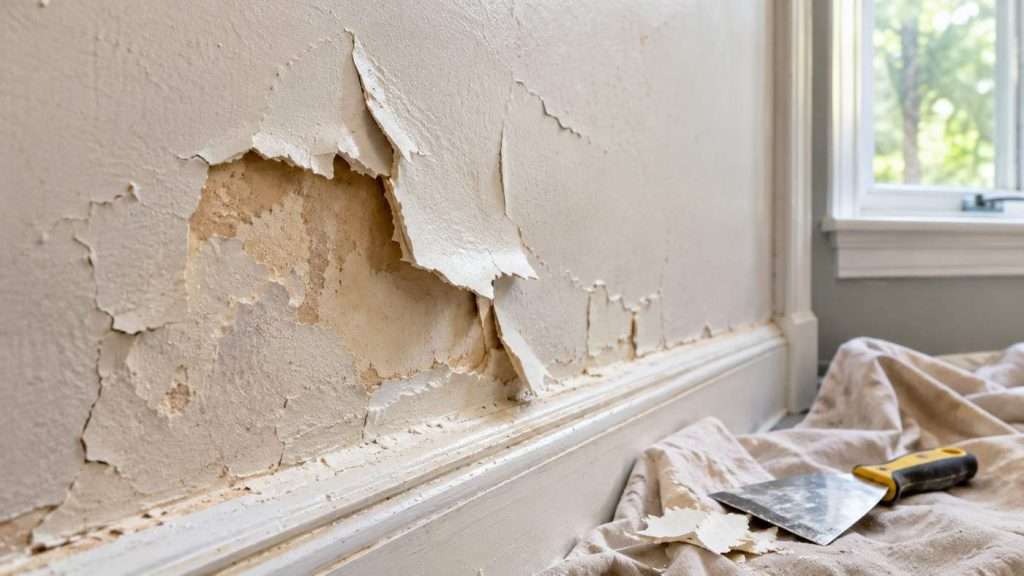
Paint doesn’t peel off all at once. You will notice that a bit of paint lifts on the living room wall or maybe the ceiling of your bedroom. Ignore this, and a few days later the edges will curl, and flakes will land on the floor. If the room was painted recently, you’re left asking: why is my paint peeling, and is it going to get worse?
Paint doesn’t peel for no reason. Something is breaking the bond between the paint and the surface under it. This could be moisture, rushed prep, the wrong product, or the weather. Find the cause before you repaint, or you’ll likely be scraping the same spot again.
Why Is My Paint Peeling – The Key Reasons
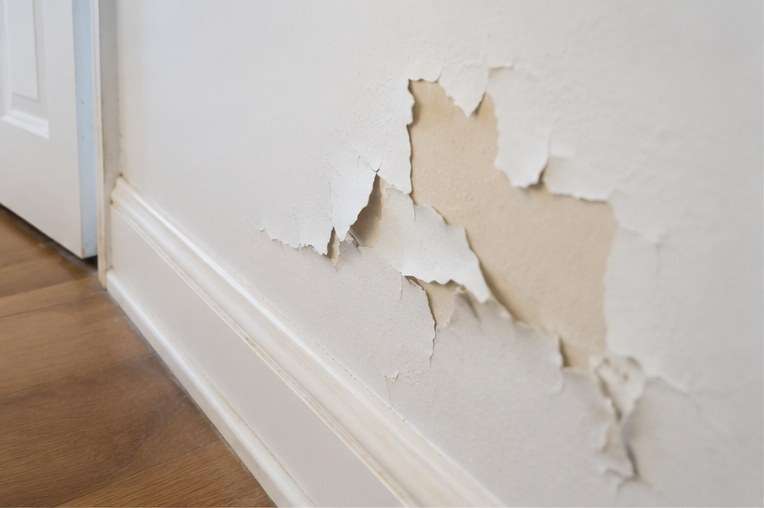
For paint to last, it has to grip a clean, solid surface. When that grip fails, you get bubbles, cracks, or sections pulling away. Knowing the cause also tells you whether it’s a DIY fix or a job for professional painting services. Here are five common causes of peeling paint and how to fix each one.
1. Excess Moisture and Water Damage
Water is the main culprit behind peeling paint. Roof leaks, plumbing problems, condensation, and gaps around windows all contribute to paint leaving its roots. If you notice paint peeling off wall surfaces near a window, take the hint that moisture is getting in. Other signs include stains, bubbles, and patches that feel damp to the touch.
Solution: Finding the water source is important. You need to fix it before you pick up a brush. Painting over a wet wall is only a temporary solution that hides the problem. Your aim should be to get air moving and let the area dry out completely. Also, check nearby surfaces for damage. A quick look around windows and pipes from time to time helps you catch problems early.
2. Poor Surface Preparation
You might know that paint does not bond well with dust, grease, chalky residue, or old paint that’s already coming loose. Even expensive paint cannot help if the surface underneath isn’t well-prepared. That’s why knowing how to fix peeling paint comes down to prep work, not another coat.
Solution: Scrape off anything loose, clean the surface, and sand rough edges. Then repair peeling paint damage with an appropriate patching compound and let it cure before you paint. Afterward, make a gentle effort to tidy the area so grime doesn’t build up and wear the paint out early.
3. Incorrect Paint or Primer Selection
Not every paint is for every surface. Interior wall paint may not be suitable for outdoors and vice versa. Glossy or oil-painted surfaces often need additional prep before anything new will stick. Also, focus on the primer. Picking the wrong primer for peeling paint will retain the adhesion problem, just hidden under a fresh coat.
Solution: Opt for a primer and topcoat that suit both the surface and the paint already on it. If you’re wondering how to paint over peeling paint, the short answer is that every loose layer has to come off first. Then prime plain or patched spots as needed and finish with a compatible paint. Go through the label, too, because not every surface needs the same type of handling or treatment.
4. Unfavorable Application Conditions
Sometimes the products are fine, but the timing is the problem. Thick coats, rushed recoats, damp surfaces, and the wrong temperature can all keep paint from forming a strong film. Outdoor jobs are most at risk, as there is always a threat of rain or other elements.
Solution: Repainting. Here, manufacturer recommendations play a key role. Following the temperature range, coat thickness, and recoat time according to them will definitely help. Also, check the forecast before you start, and don’t paint a wet surface. When you paint matters just as much as what you paint with.
5. Aging Paint and Everyday Wear
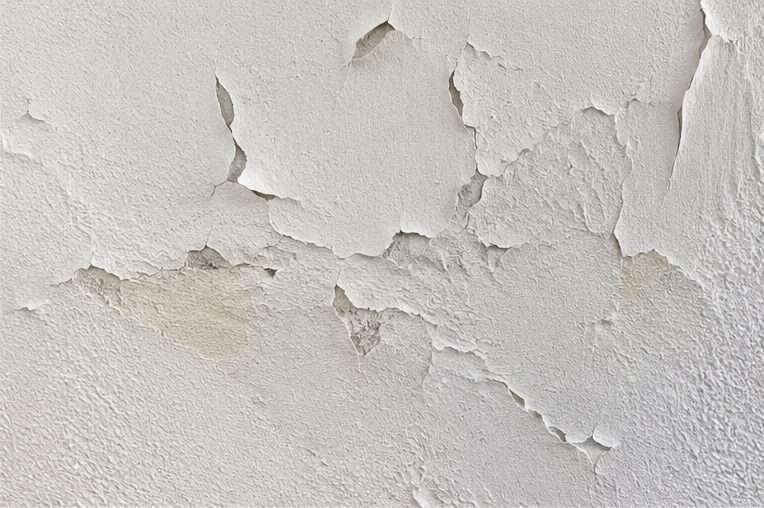
No paint job is eternal. Sun, moisture, changing seasons, and even regular cleaning slowly wear it down. Older paint will show signs of aging and can become brittle and crack with time, leaving the surface underneath open to more damage.
Solution: Keep an eye on your walls and trim, especially when you start noticing cracks. Fix small problems before they turn into major ones. A few bad areas can usually be patched, but widespread wear often means more thorough preparation and repainting.
Why Does Paint Peel in Bathrooms and Ceilings?
Bathrooms and ceilings are especially prone to moisture problems. Where the peeling shows up can tell you a lot about what’s causing it.
Bathroom Walls
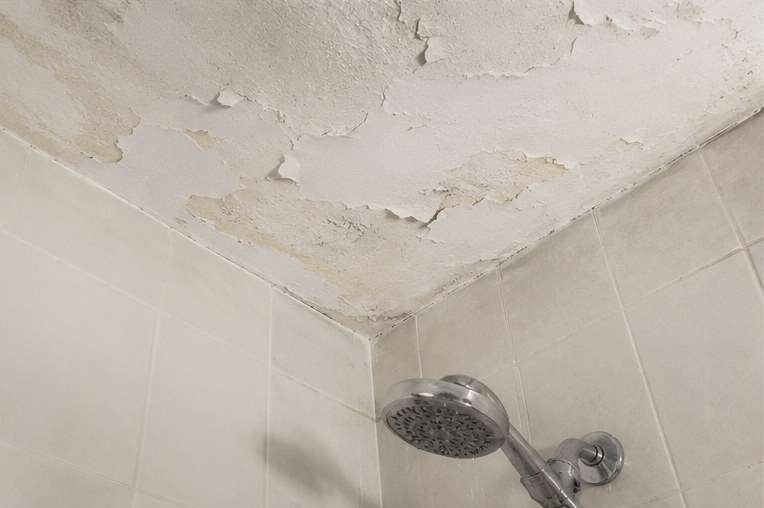
If you’re asking why is the paint in my bathroom peeling, start with the shower. Steam from hot showers settles on the walls as condensation, especially in a poorly ventilated room, and over time that moisture loosens the paint’s grip. Typical signs of paint peeling in bathroom areas include bubbles above the shower and flaking around windows or the tub.
Solution: Leaks need to be fixed first. Using an exhaust fan to vent outdoors will also help. Make sure to dry the walls before painting. Go with a paint made for moist rooms, and leave the fan running for a while after taking showers to keep condensation down.
Ceiling Surfaces
Wondering why is my ceiling paint peeling when the walls right next to it look fine? Roof leaks, plumbing above the room, condensation, or new paint that never bonded to an older layer can all cause it. Ceiling paint peeling that comes with stains, sagging, or damp spots that keep coming back needs a closer look.
Solution: Find and stop the water source, repair damaged ceiling material, and don’t repaint until the surface is solid and dry. A sagging ceiling can mean serious water damage, so have it checked before you start scraping.
Why Is Exterior Paint Peeling?
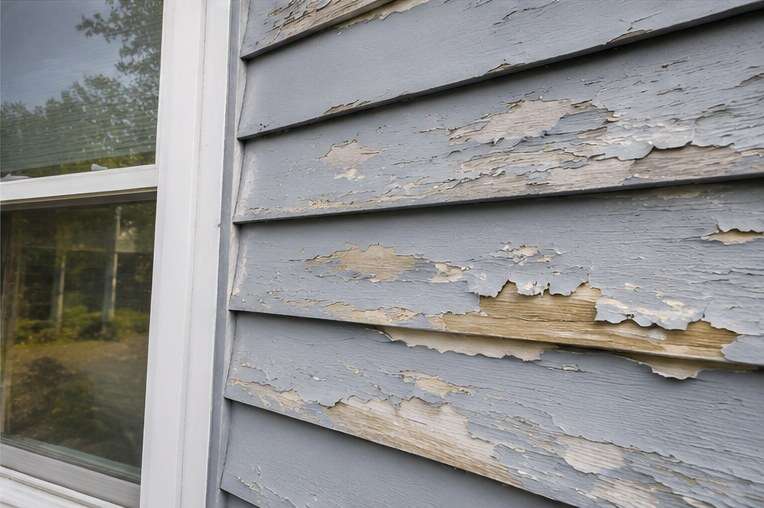
The outside of your home takes a beating from rain, sun, humidity, and temperature swings. Here in New Hampshire, winter weather and changing seasons add extra stress to siding and trim. Exterior paint peeling can usually be traced to trapped moisture, decaying wood, old paint, or poor prep.
If you spot peeling paint on house exterior surfaces, it’s time to conduct a comprehensive check of what’s underneath. Things like soft wood, open joints, and cracked caulk indicate serious issues that need thorough attention rather than just another coat of paint.
Solution: Give due time to seal off where water is getting in. Then focus on repairing damaged siding and stripping any failing paint. After cleaning and drying the surface, apply a compatible exterior product in the right weather. Also, checking siding and trim each season helps you catch problems early. For larger projects, contacting professionals is a great idea, as they can handle the prep and finishing safely.
What About Peeling Lead-Based Paint?
Lead paint peeling is a serious concern in older homes. The United States banned residential lead-based paint in 1978, but older layers may still sit under newer ones. Scraping or sanding it can release hazardous dust that’s especially dangerous for children.
If your home was built before 1978, don’t assume the paint is lead-free. Have it tested before you disturb it. Many renovations in pre-1978 homes must follow EPA lead-safe rules, and a qualified lead-safe professional can explain which precautions apply to your project.
Restore Your Property’s Appearance
The question “why is my paint peeling” doesn’t always have one simple answer. It could be moisture, poor prep, the wrong coating, the weather, or a mix of a few. Pin down the cause first, and your next paint job has a much better chance of lasting.
Small patches can often be handled as a DIY project. But if the peeling covers a large area, keeps coming back, or is somewhere hard to reach, it’s usually worth bringing in a professional.
At Fish Painting LLC, we offer residential and commercial interior and exterior painting services in Concord, NH. We take surface prep seriously, use quality materials, and do careful, professional work that helps your property look its best again.
Reach out to Fish Painting LLC today to talk through your project and request a free estimate.